When I first started building, I did it the “right” way—or at least what I thought was the right way. Trust me, I was the guy that needed to have the “best tool”, the “best material”, and the “best design”. I bought new lumber. Straight boards. Clean edges. Everything measured, labeled, and predictable. There’s a satisfaction in that kind of order, and I still respect it.
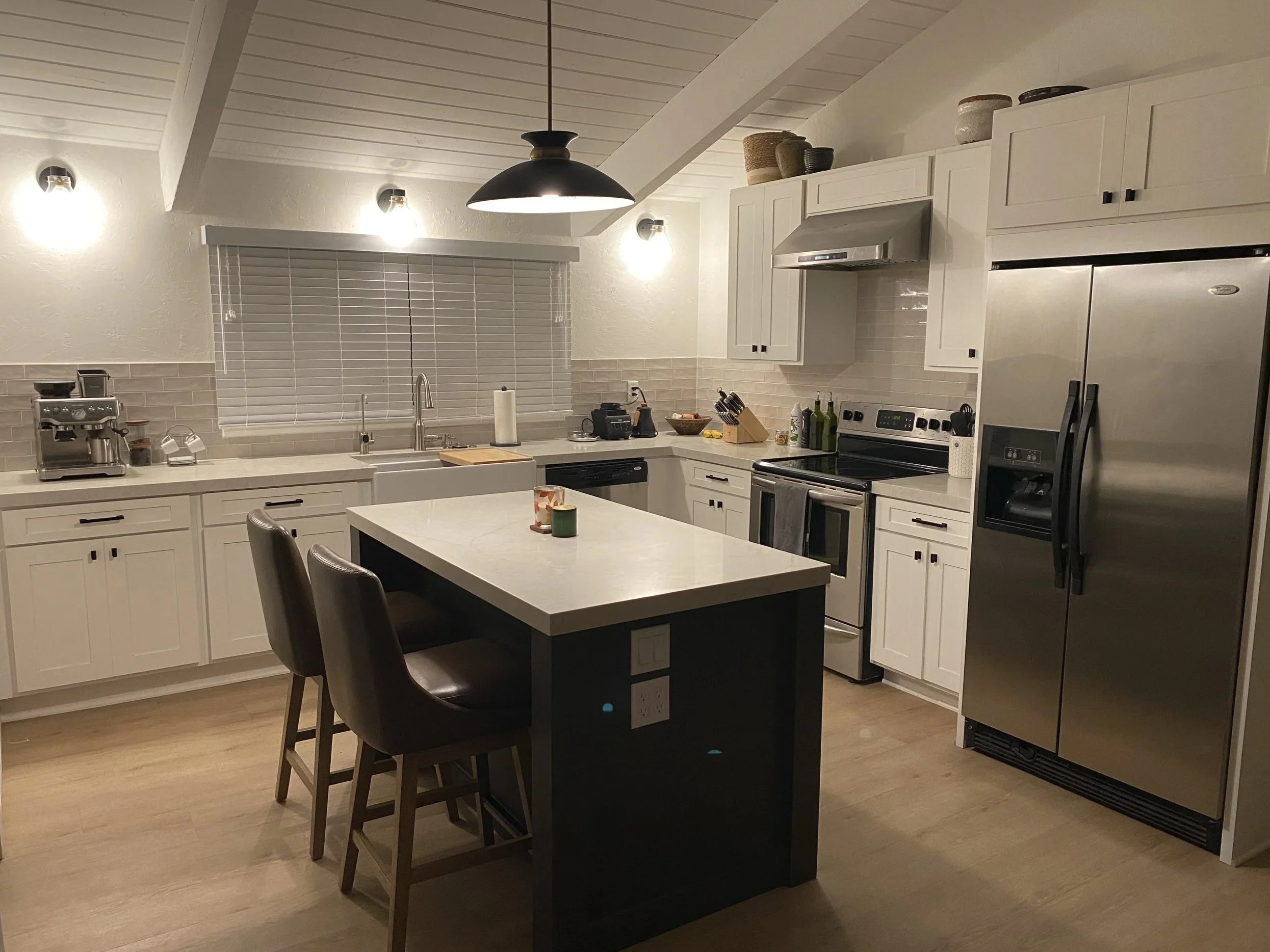
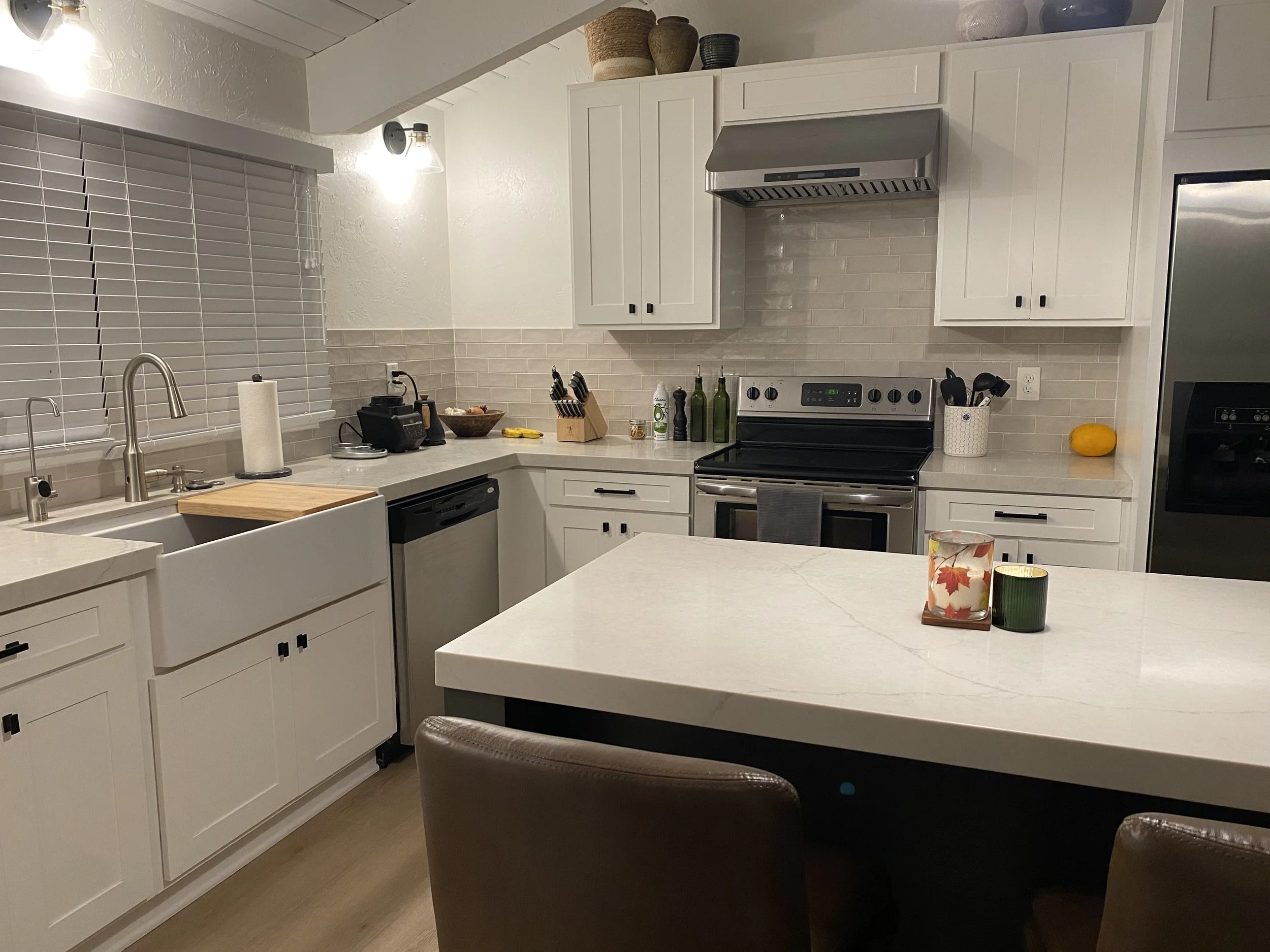
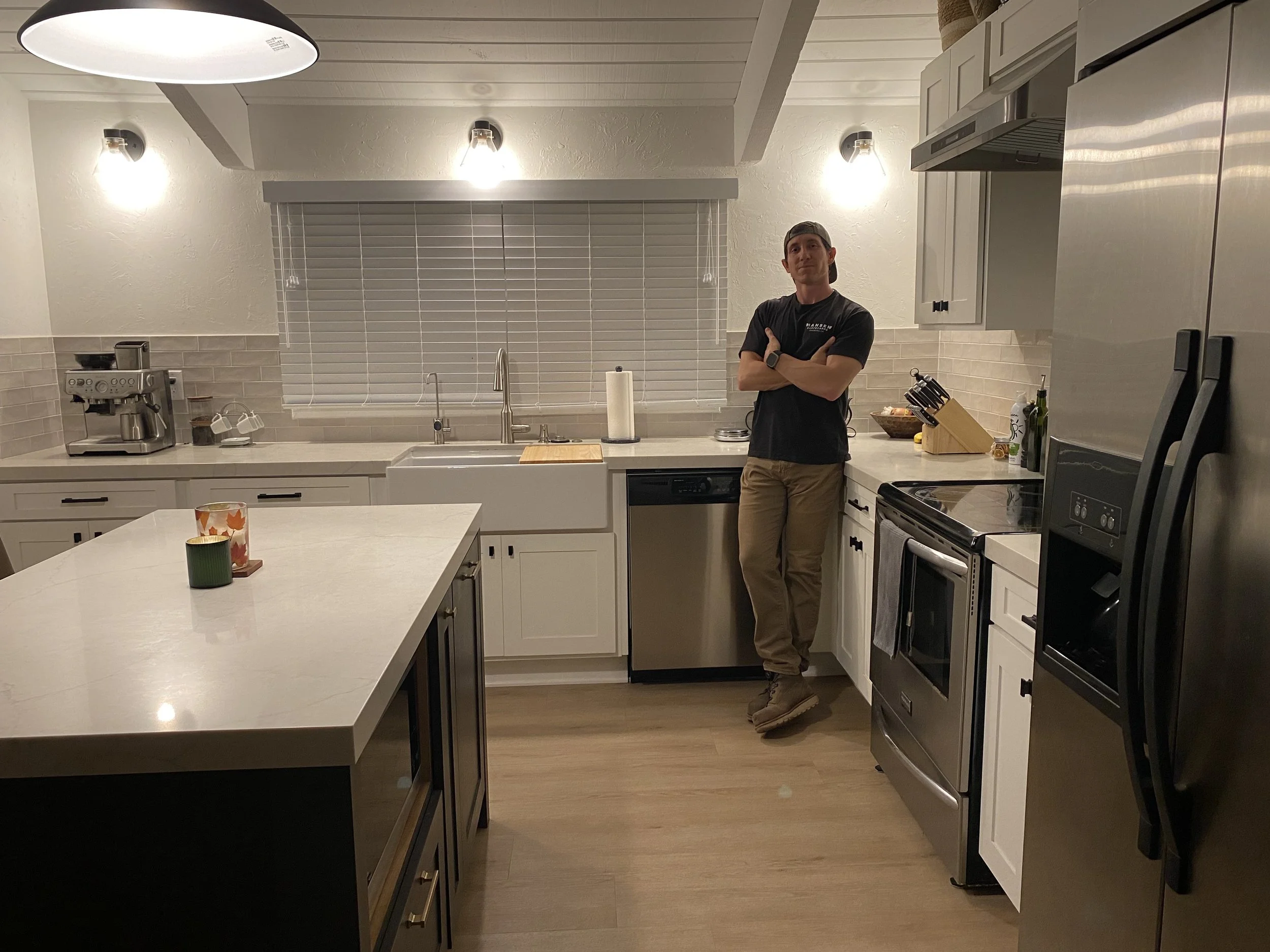
My first major project was a complete overhaul and renovation of my kitchen. My father in-law was already an extremely experienced woodworker and had all the bells and whistles in his shop. The build was….a breeze. Like I said, best tools…best material…the kitchen to this day is still spectacular (if I do say so myself).
But when we finished up that project, swept up the shop, and looked at the pile left behind. Usable offcuts. Short boards. Pieces that weren’t wrong, just…not really useful at the moment. I really noticed how much I paid for material only to throw part of it away. Not because it was bad wood, but because it didn’t fit neatly into the plan.
After we finished that install and I moved onto other projects either around the house or making something for a friend, I kept seeing discarded wood everywhere else. Old furniture on the curb, people’s trucks filled with old furniture or scrap boards presumably headed to the landfill because they had were “outgrown” or “out of style”, the contrast was hard to ignore: buying new while good material was being thrown out daily.
The shift wasn’t instant though. Reclaimed wood is harder to work with. It fights back. You have to slow down, adjust, and sometimes abandon the original idea altogether. But that’s where things changed for me. Instead of forcing the material to match the design, I started letting the material lead. Got a nice tabletop, but no legs to go with it? Sure why not? Want to build some new patio furniture but all I have in the garage are slabs from a picnic bench that I recently tore down? It might take some mental horsepower, but it’s probably something I can work with.
I realized reuse isn’t just better for the environment—it’s better for the work. Reclaimed wood demands attention. It has limits, history, and character that new lumber simply doesn’t. Every mark becomes a decision. Every cut matters.
I joined Trashwood Revival after that realization had grown on me for some time. It’s not about rejecting new materials entirely, it’s about respecting what already exists. About seeing value where others see inconvenience. About choosing care over convenience, even when it takes more time.
For me, trashwood isn’t second-best. It’s intentional. It’s honest. And it’s a reminder that good things don’t always start out perfect, they just need someone willing to see what they could become.
Below are a couple of pics of my remodeled kitchen, pretty proud of this project.